
Djanet Travel Guide: Gateway to the Tassili n'Ajjer
The complete guide to Djanet — how to get there, when to go, what to see (Tassili rock art, Tadrart, Tin Merzouga, Erg Admer), Tuareg culture, Sebeïba and how to plan your trip.
A guide to Algeria's spectacular Roman heritage — the UNESCO sites of Tipaza, Djemila and Timgad, plus Hippo Regius, Cherchell, Tiddis and Lambaesis — and how to visit them.
If you love Roman history, Algeria might be the best-kept secret in the Mediterranean. Entire cities survive — streets, arches, theatres, baths and mosaics — and you can often wander them with barely another visitor in sight.
Roman North Africa was one of the empire's wealthiest regions, exporting grain, olive oil and wine. The province of Numidia and the Mauretanian kingdoms covered much of today's northern Algeria. Cities were founded for veterans, traders and local elites, and many were later abandoned rather than built over — which is why so much survives.
| Site | Setting | Why go |
|---|---|---|
| Tipasa | On the sea, west of Algiers | Ruins among pines above the Mediterranean |
| Djemila | Mountains near Sétif, ~900 m | Dramatic setting, temples, arches and mosaics |
| Timgad | High plains near Batna | A complete grid city founded by Trajan |
All three were inscribed on the UNESCO World Heritage List in 1982.
A Punic trading post that became a Roman city, with basilicas, villas, a theatre and an amphitheatre right on the coast. Read our Tipaza guide.
Founded in the late 1st century AD on a narrow ridge, Djemila grew into a prosperous town with forums, temples, a theatre and a triumphal arch dedicated to Caracalla. Its museum holds some of the finest mosaics in North Africa. Read our Djemila guide.
Founded around 100 AD by Emperor Trajan as a colony for veterans, Timgad is a textbook Roman grid town: straight streets, a forum, a theatre, baths, a public library and the magnificent Arch of Trajan. It's often called the "Pompeii of Africa". Read our Timgad guide.

Three UNESCO Roman cities — Tipaza by the sea, Djemila in the mountains and Timgad, the 'Pompeii of Africa' — plus Constantine's bridges. History without the crowds.
Algeria's history goes much deeper: Numidian royal tombs like the Medracen, the medieval Islamic Al Qal'a of Beni Hammad (also UNESCO-listed), the Ottoman Casbah of Algiers and the prehistoric art of the Tassili n'Ajjer.
Spring (March–May) and autumn (September–November) are ideal. Timgad and Djemila are inland and at altitude — hot in summer, cold in winter.
Our seven-day Roman Algeria: Ruins & Mountains visits Tipaza, Djemila, Timgad, Constantine and Tiddis with expert local guides, plus optional coaching sessions with a view of empires that rose and fell.
Yes — some of the best-preserved in the world, including the UNESCO sites of Tipasa, Djemila and Timgad.
Timgad for its complete grid plan, Djemila for its setting and mosaics, Tipasa for its location on the sea.
Rarely. You'll often share them with only a handful of visitors.
Real short videos by independent creators on YouTube and TikTok. See all 121 Algeria videos →

I founded Ziri Travels after one trip to Algeria changed everything for me. My team and I plan and run every Ziri trip, from Djanet to the Mediterranean. Read my story. Questions about this guide? Message us on WhatsApp.
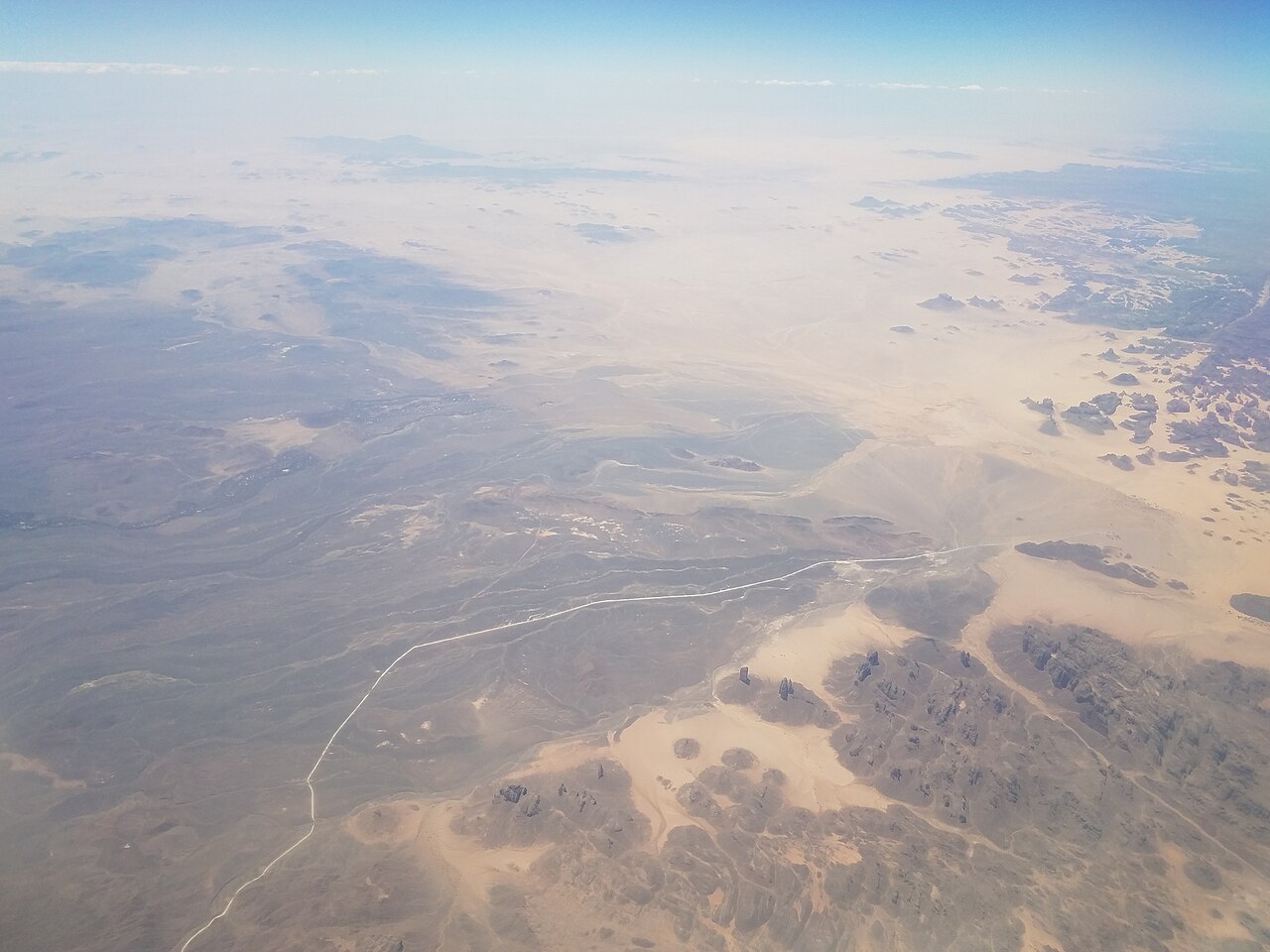
The complete guide to Djanet — how to get there, when to go, what to see (Tassili rock art, Tadrart, Tin Merzouga, Erg Admer), Tuareg culture, Sebeïba and how to plan your trip.

The best things to do in Ghardaïa — climb the ksar to the Grand Mosque, shop the market square, visit Beni Isguen and its auction market, El Atteuf, Melika, the palm groves, carpets and more.

The best things to do in Algiers — the Casbah, Notre-Dame d'Afrique, Djamaa el Djazaïr, the Jardin d'Essai, the Bardo museum, the corniche, street food, hammams and day trips to Tipaza.
Pick the people, dates, places and experiences, see a price estimate as you go, and get a tailored proposal within 48 hours.