
Djanet Travel Guide: Gateway to the Tassili n'Ajjer
The complete guide to Djanet — how to get there, when to go, what to see (Tassili rock art, Tadrart, Tin Merzouga, Erg Admer), Tuareg culture, Sebeïba and how to plan your trip.
A guide to Djemila (Cuicul), the UNESCO-listed Roman town near Sétif — its history, forums, temples, arch, mosaic museum and how to visit.
Of all Algeria's Roman sites, Djemila may have the most beautiful setting: a city of honey-coloured stone stretched along a mountain ridge, surrounded by green hills.
Djemila — known to the Romans as Cuicul — was founded in the late 1st century AD as a colony for veterans. It grew wealthy from agriculture and expanded beyond its original walls, adding new public buildings under the Severan emperors in the early 3rd century. Christianity later brought basilicas and a baptistery. "Djemila" means "beautiful" in Arabic — an apt name.
UNESCO inscribed Djemila as a World Heritage Site in 1982 for its remarkable adaptation of Roman urban planning to a mountain site.
Timgad, Constantine and Tiddis make a perfect Roman circuit — see Roman ruins in Algeria and Timgad.
Djemila is day three of Roman Algeria: Ruins & Mountains.

Three UNESCO Roman cities — Tipaza by the sea, Djemila in the mountains and Timgad, the 'Pompeii of Africa' — plus Constantine's bridges. History without the crowds.
Allow at least three hours. Start at the museum near the entrance to see the mosaics first — they help you imagine the town in its prime. Then walk up through the old forum with its Capitol and market of Cosinius, past houses with mosaic floors, to the Severan forum, the Arch of Caracalla and the Temple of the Severan family standing tall against the mountains. Finish at the Christian quarter, with its baptistery and basilicas, and the theatre on the hillside.
The ridge catches golden light early and late in the day. The best panorama is from the theatre looking back across the town.
Djemila is about 50 km from Sétif and around 2 hours from Constantine. There's limited public transport, so most visitors come by car with a driver.
Sétif has the most hotels and makes a good base; Constantine works if you're combining with Timgad.
See also our Djemila & Sétif destination page and Roman ruins of Algeria.
In the mountains of north-east Algeria, about 50 km from Sétif.
Yes, inscribed in 1982.
Allow at least half a day, including the mosaic museum.
Real short videos by independent creators on YouTube and TikTok. See all 121 Algeria videos →

I founded Ziri Travels after one trip to Algeria changed everything for me. My team and I plan and run every Ziri trip, from Djanet to the Mediterranean. Read my story. Questions about this guide? Message us on WhatsApp.
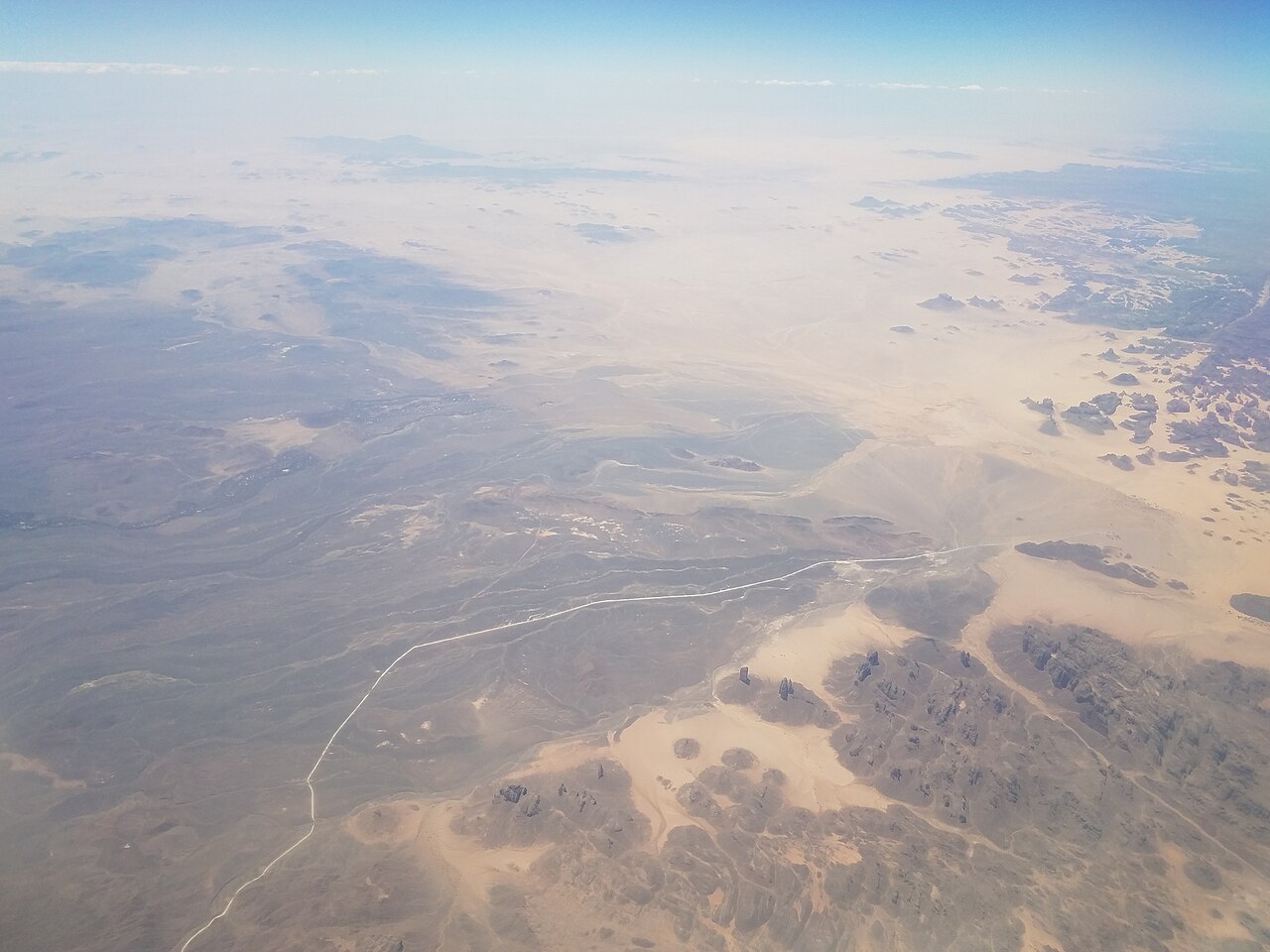
The complete guide to Djanet — how to get there, when to go, what to see (Tassili rock art, Tadrart, Tin Merzouga, Erg Admer), Tuareg culture, Sebeïba and how to plan your trip.

The best things to do in Ghardaïa — climb the ksar to the Grand Mosque, shop the market square, visit Beni Isguen and its auction market, El Atteuf, Melika, the palm groves, carpets and more.

The best things to do in Algiers — the Casbah, Notre-Dame d'Afrique, Djamaa el Djazaïr, the Jardin d'Essai, the Bardo museum, the corniche, street food, hammams and day trips to Tipaza.
Pick the people, dates, places and experiences, see a price estimate as you go, and get a tailored proposal within 48 hours.