
Djanet Travel Guide: Gateway to the Tassili n'Ajjer
The complete guide to Djanet — how to get there, when to go, what to see (Tassili rock art, Tadrart, Tin Merzouga, Erg Admer), Tuareg culture, Sebeïba and how to plan your trip.
The best things to do in Ghardaïa — climb the ksar to the Grand Mosque, shop the market square, visit Beni Isguen and its auction market, El Atteuf, Melika, the palm groves, carpets and more.
Ghardaïa is the main town of the M'zab Valley, a UNESCO World Heritage Site of five fortified hill towns in the northern Sahara. It's one of the most photogenic and fascinating places in Algeria, and it rewards visitors who slow down. Here are the best things to do, roughly in the order most people experience them.
If you only read one other guide, make it our complete M'zab Valley guide. For practical planning, see how to get to Ghardaïa and the best time to visit.
The old town of Ghardaïa rises in rings of houses to the Grand Mosque at the top, whose tapering minaret has become the symbol of the whole valley. Walking up through the lanes with a local guide is the best introduction to how a ksar works: the mosque at the summit, homes around it, the market at the foot.
At the bottom of the ksar is an arcaded market square, busy from the morning with traders selling carpets, spices, dates, copperware and everyday goods. It's the social heart of the town. Read our guide to Ghardaïa's carpets, markets and shopping before you bargain.
Beni Isguen is the most traditional of the five towns and is sometimes called the holy city of the M'zab. It can only be visited with its own official guide, and there are clear rules on dress and photography. Far from being a hassle, the guide is what makes the visit special: you'll learn how the town is organised, why the lanes are shaped as they are, and how the community governs itself. Full details in our Beni Isguen guide.
In the late afternoon, the square of Beni Isguen fills with an open-air auction. Sellers walk the square holding up their goods — carpets, jewellery, old radios, household items — while the crowd calls out bids. It's one of the most unusual market scenes in North Africa.
El Atteuf is traditionally considered the oldest of the five ksour. Its Sidi Brahim mosque, with simple, rounded, hand-sculpted forms, is often said to have inspired Le Corbusier. Architecture lovers should read our guide to M'zab architecture and Le Corbusier.
Melika sits on a hill facing Ghardaïa, and its heights give the best view of the valley. Come for the last hour of light, when the pastel towns turn gold and the minarets stand out against the sky.
Bounoura, perched on a rocky ridge, is quieter than its neighbours and has great views back across the valley. It's a good place to see how the ksour were sited for defence.
Below the towns are the palm groves, where Mozabite families traditionally spent the hot summer months. Date palms shade citrus trees and vegetable plots, watered by an ingenious system of wells, dams and channels that shares rare floodwater fairly between gardens.

Five thousand-year-old hill towns the colour of sand and sky, a living Mozabite culture and the architecture that moved Le Corbusier. Algeria's most extraordinary townscape, explored with local guides.
The best meal you'll have in the M'zab is likely to be in a private home or garden. Couscous, slow-cooked vegetables, fresh bread, dates and mint tea, all shared slowly in the shade. Ziri arranges this on our Ghardaïa & M'zab Valley trip.
Tafilelt is a modern ksar built in the traditional style on the edge of Beni Isguen. It's often cited as a model of sustainable, community-built desert housing, and it's fascinating to compare with the old towns.
The M'zab is known for its wool carpets in bold geometric patterns. Visiting a workshop or a weaver's home is the best way to understand the work behind them, and the best place to buy one.
Ghardaïa has traditionally held a carpet festival in spring, with parades, exhibitions and a big market. Dates vary from year to year, so check before you travel.
The narrow, covered lanes of the ksour are cool in the heat and beautiful in the low light of late afternoon. Keep your camera on the architecture, not on people.
The Mozabites are an Amazigh community of Ibadi Muslims with distinctive traditions of self-government, trade and mutual aid. Our introduction to Mozabite culture explains what to know before you visit.
Ghardaïa pairs well with Timimoun's red oasis or Taghit's great dunes. Not sure which? Read Ghardaïa vs Timimoun vs Taghit.
Two full days covers the highlights; three is ideal. Our 3-day Ghardaïa itinerary shows exactly how to spend them.
Ghardaïa is famous for the UNESCO-listed M'zab Valley: five fortified hill towns with pastel houses climbing to their mosques, a living Mozabite culture, carpets and palm groves.
You can walk parts of Ghardaïa on your own, but a local guide is strongly recommended, and Beni Isguen can only be visited with its official guide.
October to April, when days are warm and pleasant. Summer temperatures regularly pass 40°C.
Two to three days.
Real short videos by independent creators on YouTube and TikTok. See all 121 Algeria videos →

I founded Ziri Travels after one trip to Algeria changed everything for me. My team and I plan and run every Ziri trip, from Djanet to the Mediterranean. Read my story. Questions about this guide? Message us on WhatsApp.
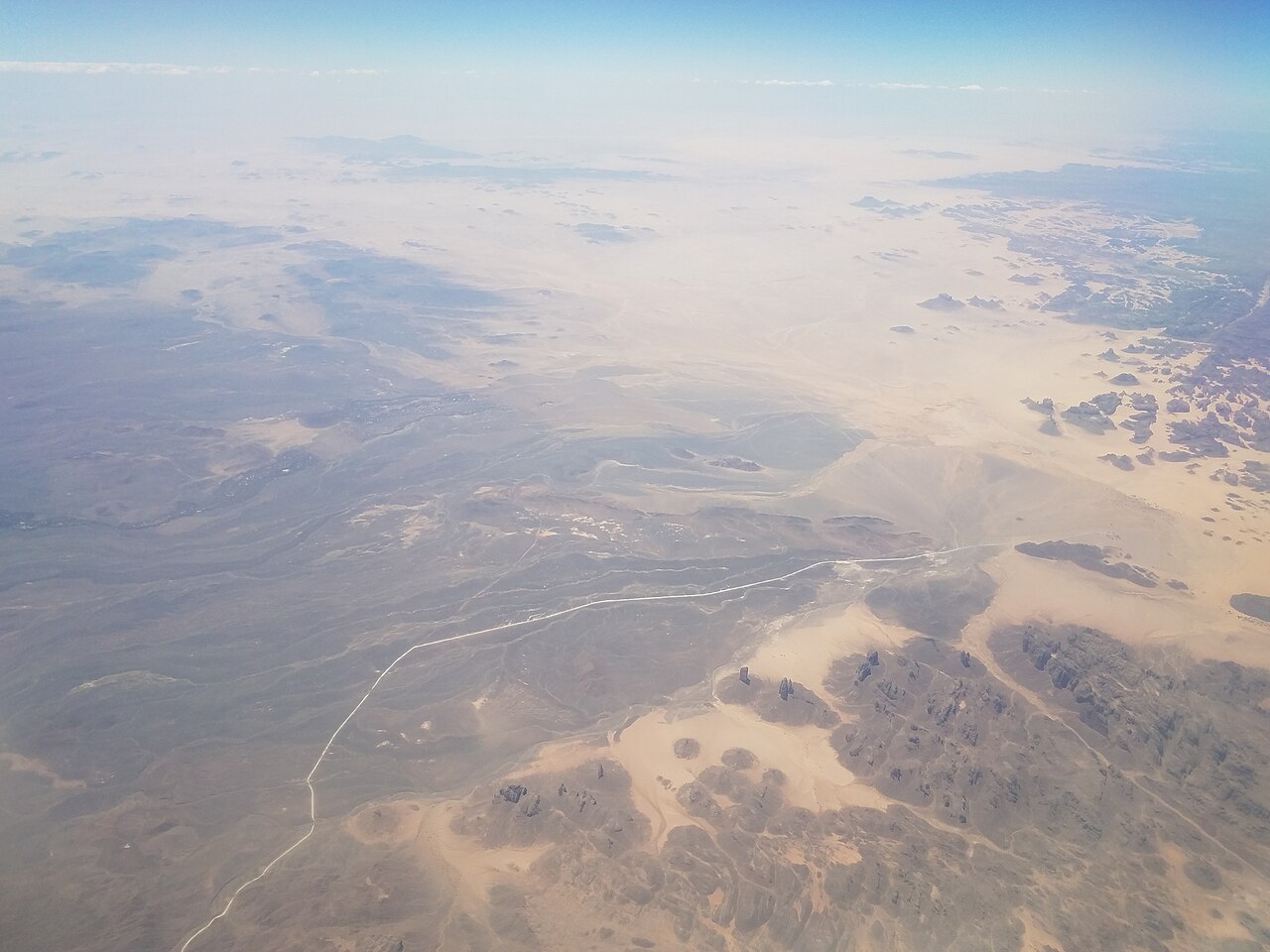
The complete guide to Djanet — how to get there, when to go, what to see (Tassili rock art, Tadrart, Tin Merzouga, Erg Admer), Tuareg culture, Sebeïba and how to plan your trip.

The best things to do in Algiers — the Casbah, Notre-Dame d'Afrique, Djamaa el Djazaïr, the Jardin d'Essai, the Bardo museum, the corniche, street food, hammams and day trips to Tipaza.

A guide to Algeria's spectacular Roman heritage — the UNESCO sites of Tipaza, Djemila and Timgad, plus Hippo Regius, Cherchell, Tiddis and Lambaesis — and how to visit them.
Pick the people, dates, places and experiences, see a price estimate as you go, and get a tailored proposal within 48 hours.