
Djanet Travel Guide: Gateway to the Tassili n'Ajjer
The complete guide to Djanet — how to get there, when to go, what to see (Tassili rock art, Tadrart, Tin Merzouga, Erg Admer), Tuareg culture, Sebeïba and how to plan your trip.
Explore Ghardaïa and the UNESCO-listed M'zab valley — five fortified towns founded from the 11th century, Mozabite culture, architecture that inspired Le Corbusier, markets and visiting rules.
Seen from a hilltop at dawn, the M'zab valley looks like a cubist painting: pastel houses stacked up the hillsides, each town crowned by a single minaret. It's one of the most remarkable urban landscapes in the world, and one of the most intact traditional societies in North Africa.
This guide explains the history of the valley, its five towns, its people and architecture, how to visit respectfully and how to fit it into a wider trip.
The M'zab is a valley in the northern Sahara, on a rocky limestone plateau known as the chebka ("net") because of its web of dry riverbeds. From the 11th century, the Mozabites founded five fortified towns (ksour) here, together called the Pentapolis:
| Town | Known for |
|---|---|
| El Atteuf | The oldest, with the Sidi Brahim mosque |
| Bou Noura | "The luminous", on a rocky spur |
| Beni Isguen | The holy city, most traditional, with its auction market |
| Melika | On a hill, with sweeping views over the valley |
| Ghardaïa | The largest, with its famous market square |
UNESCO inscribed the M'zab valley as a World Heritage Site in 1982 as an outstanding example of a traditional human settlement perfectly adapted to a harsh environment. Later towns such as Berriane and Guerrara extend the M'zab tradition beyond the original five.
The Mozabites are a Berber (Amazigh) community who follow the Ibadi school of Islam. Fleeing persecution and conflict further north, they settled in this remote valley and built a society founded on faith, discipline, community and trade.
Mozabite society is known for:
Every element of a M'zab town is designed for heat, privacy, defence and equality:
Modernist architects found in the M'zab a perfect expression of "form follows function". Le Corbusier visited in the 1930s, and the Sidi Brahim mosque near El Atteuf is often cited as an inspiration for his chapel at Ronchamp.
The M'zab has almost no rain, yet its palm groves thrive. The Mozabites dug hundreds of wells, some by hand over decades, and built ingenious systems of dams and channels to capture and share the rare floods of the wadi. Water sharing is governed by precise community rules — an engineering and social achievement worth asking your guide about.
The M'zab is a living, conservative community, not a museum. Rules matter:

The full journey — the Mediterranean capital, the thousand-year-old towns of the M'zab valley and the red Saharan oasis.
October to April. Summers are very hot. The date harvest begins in October, when the palm groves are at their liveliest.
Try local couscous dishes, dates (fresh in autumn), flatbreads and pastries — and accept the tea. Mozabite hospitality is reserved but generous.
Our ten-day Grand Algeria: Sea to Sahara spends two days in the valley with a local guide, then crosses the edge of the Grand Erg Occidental to Timimoun. It's the perfect bridge between the Mediterranean and the deep Sahara.
Yes for Beni Isguen, and recommended throughout the valley for access and understanding.
Generally no; visitors stay in Ghardaïa.
Its five fortified medieval towns, Mozabite culture and architecture admired by modernist architects.
Ghardaïa receives visitors throughout the season. Travel with a reputable operator and check current government advice.
The five ksour were founded from the 11th century onwards.
One to two full days covers the main towns comfortably.
Real short videos by independent creators on YouTube and TikTok. See all 121 Algeria videos →

I founded Ziri Travels after one trip to Algeria changed everything for me. My team and I plan and run every Ziri trip, from Djanet to the Mediterranean. Read my story. Questions about this guide? Message us on WhatsApp.
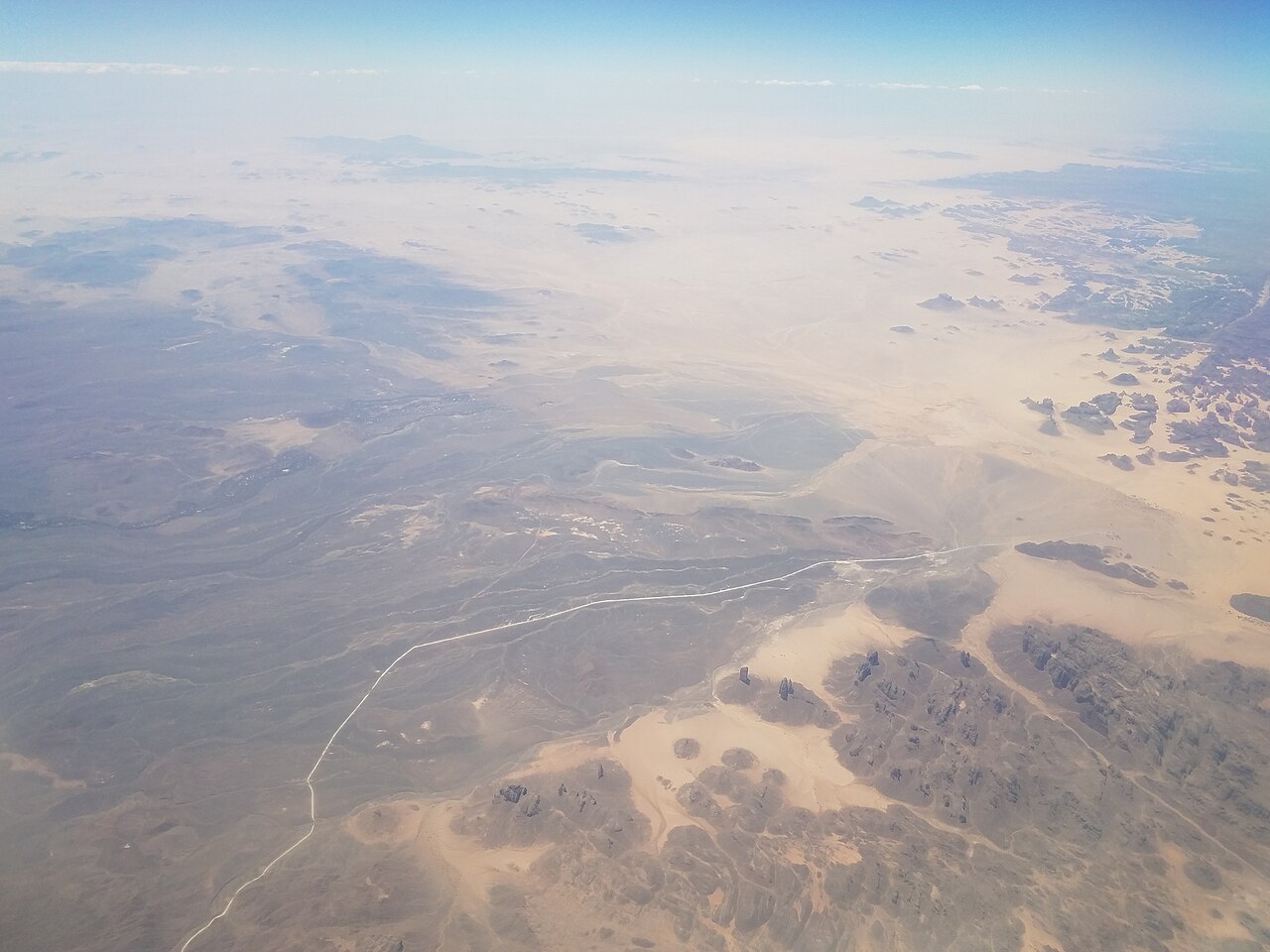
The complete guide to Djanet — how to get there, when to go, what to see (Tassili rock art, Tadrart, Tin Merzouga, Erg Admer), Tuareg culture, Sebeïba and how to plan your trip.

The best things to do in Ghardaïa — climb the ksar to the Grand Mosque, shop the market square, visit Beni Isguen and its auction market, El Atteuf, Melika, the palm groves, carpets and more.

The best things to do in Algiers — the Casbah, Notre-Dame d'Afrique, Djamaa el Djazaïr, the Jardin d'Essai, the Bardo museum, the corniche, street food, hammams and day trips to Tipaza.
Pick the people, dates, places and experiences, see a price estimate as you go, and get a tailored proposal within 48 hours.