
Djanet Travel Guide: Gateway to the Tassili n'Ajjer
The complete guide to Djanet — how to get there, when to go, what to see (Tassili rock art, Tadrart, Tin Merzouga, Erg Admer), Tuareg culture, Sebeïba and how to plan your trip.
The complete guide to Timimoun, the red-ochre oasis of the Gourara — foggara irrigation, ksour, the sebkha salt lake, Ahellil music, dunes of the Grand Erg Occidental and how to visit.
Timimoun glows. Built from red earth on a rocky ledge above a shimmering salt lake, with the dunes of the Grand Erg Occidental rolling away beyond, it's one of the most photogenic towns in the Sahara — and one of the most peaceful.
This guide covers Timimoun's history, its extraordinary water system, the ksour of the Gourara, Ahellil music, things to do, when to go and how to plan your stay.
Timimoun lies in south-west Algeria, in the historic region of Gourara, a chain of more than a hundred oases strung along the southern edge of the Grand Erg Occidental — one of the great sand seas of the Sahara. It's about 1,200 km south-west of Algiers.
The town overlooks a sebkha, a vast salt flat that shimmers white in the sun and turns pink and gold at dusk.
Timimoun's buildings are made of red clay mixed with local stone. Many, especially those built during the colonial period, use a distinctive Sudanese-influenced style, with pointed crenellations and spiky decorations that recall the mud architecture of West Africa — a reminder of Timimoun's place on old trans-Saharan trade routes. At sunrise and sunset, the whole town glows.
Timimoun's palm gardens survive thanks to the foggara, one of the most remarkable irrigation systems in the world.
The system requires constant collective maintenance and careful rules on water rights — a social achievement as much as an engineering one. Some foggaras are centuries old, and although many have dried up, others still water the gardens today.
Walking the gardens with a local farmer who explains the foggara is one of the highlights of our Red Oasis Retreat.
Around Timimoun, dozens of ksour — fortified villages of earth and stone — perch on rocky outcrops above the gardens. Some are still inhabited; others are partly in ruins, their walls slowly returning to the earth. Exploring them at golden hour, with the dunes behind, is unforgettable. Many tours follow a loop around the sebkha, visiting several ksour in a day.
The Ahellil of Gourara is a form of sung poetry, music and dance performed at night, often during religious festivals and celebrations. A lead singer is accompanied by a choir and a circle of participants who clap and sway, with flute and percussion, sometimes until dawn. Its poetry is sung in Zenet (a Berber language) and Arabic.
UNESCO proclaimed the Ahellil a Masterpiece of the Oral and Intangible Heritage of Humanity, and it is now on the Representative List of Intangible Cultural Heritage. Hearing it under the stars is spine-tingling — we arrange Ahellil evenings when possible.

The 'Red Oasis' on the edge of the Grand Erg Occidental — ochre ksour, palm gardens and salt lakes. A short, powerful reset for busy minds.
| Period | Conditions |
|---|---|
| October – November | Warm days, harvest season, excellent |
| December – February | Mild days, cold nights, clear skies |
| March – April | Warm, pleasant, sometimes windy |
| May – September | Very hot (often over 40°C in summer) |
Timimoun has a small number of hotels, including historic buildings in the Sudanese style, plus guesthouses. Nights in the dunes are spent in mobile camps — see camping in the Sahara.
| Day | Plan |
|---|---|
| 1 | Arrive, check-in, tea ceremony and opening circle |
| 2 | Palm gardens and foggaras with a farmer |
| 3 | Dawn workshop, 4x4 into the dunes, night in camp |
| 4 | Sebkha sunrise, ksar visit, Ahellil evening |
| 5 | Departure |
That's our Red Oasis Retreat — a short, powerful reset. Timimoun also features in the ten-day Grand Algeria.
Because its buildings and surrounding ksour are made of red-ochre clay that glows at sunrise and sunset.
An underground water channel that carries groundwater by gravity to the oasis gardens, with water shared between families using stone dividers.
Three to five days lets you see the oasis, the ksour and the salt lake, and spend a night in the dunes.
Timimoun receives tourists each season. Travel with a licensed agency and check current government advice.
A traditional form of sung poetry, music and dance from the Gourara, recognised by UNESCO.
It usually begins in October.
Real short videos by independent creators on YouTube and TikTok. See all 121 Algeria videos →

I founded Ziri Travels after one trip to Algeria changed everything for me. My team and I plan and run every Ziri trip, from Djanet to the Mediterranean. Read my story. Questions about this guide? Message us on WhatsApp.
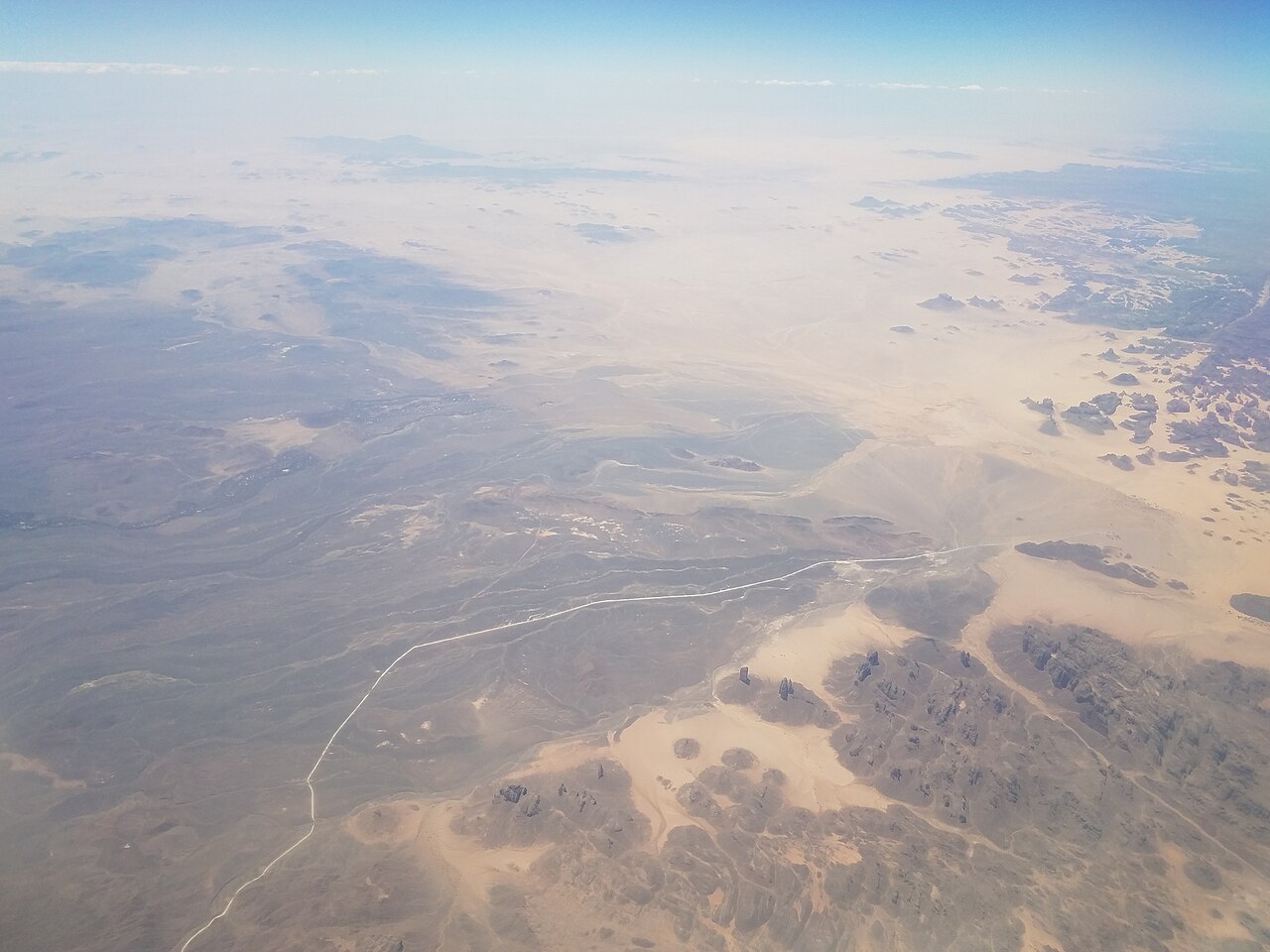
The complete guide to Djanet — how to get there, when to go, what to see (Tassili rock art, Tadrart, Tin Merzouga, Erg Admer), Tuareg culture, Sebeïba and how to plan your trip.

The best things to do in Ghardaïa — climb the ksar to the Grand Mosque, shop the market square, visit Beni Isguen and its auction market, El Atteuf, Melika, the palm groves, carpets and more.

The best things to do in Algiers — the Casbah, Notre-Dame d'Afrique, Djamaa el Djazaïr, the Jardin d'Essai, the Bardo museum, the corniche, street food, hammams and day trips to Tipaza.
Pick the people, dates, places and experiences, see a price estimate as you go, and get a tailored proposal within 48 hours.