
15 Best Things to Do in Ghardaïa and the M'zab Valley
The best things to do in Ghardaïa — climb the ksar to the Grand Mosque, shop the market square, visit Beni Isguen and its auction market, El Atteuf, Melika, the palm groves, carpets and more.
The complete guide to Djanet — how to get there, when to go, what to see (Tassili rock art, Tadrart, Tin Merzouga, Erg Admer), Tuareg culture, Sebeïba and how to plan your trip.
If the Sahara has a front door, it's Djanet. This palm-filled oasis, cradled between red cliffs in Algeria's far south-east, is where most journeys into the Tassili n'Ajjer begin — and where many of our guests say the trip of their life started.
This guide covers everything you need to know: where Djanet is, how to get there, the best time to go, what to see in and around town, where to stay, cultural tips, and how to plan your days.
Djanet lies roughly 1,700 km south-east of Algiers as the crow flies, not far from the Libyan border, at around 1,000 m above sea level. The town grew along a fertile wadi at the foot of the Tassili plateau, where springs feed gardens of date palms, figs, citrus and vegetables. Three historic villages (ksour) — El Mihan, Azelouaz and Adjahil — form its old heart, perched along the valley.
Most of Djanet's population is Tuareg, from the Kel Ajjer confederation that gives the Tassili n'Ajjer its name. You'll hear Tamahaq spoken alongside Arabic and French, and see men wearing the indigo or white tagelmust veil. Our Tuareg culture guide explains the traditions.
The usual route is a domestic flight from Algiers to Djanet Tiska (DJG), taking around 2.5 hours. Flights are operated by Air Algérie, with frequency varying by season. In some peak seasons there have been seasonal direct flights from Europe, which are worth checking for your dates.
From the airport, it's around 30 minutes by road to town.
Most international guests fly into Algiers (ALG) and connect to Djanet. Allow plenty of time between flights, and consider a night in Algiers if your international flight arrives late. Our flights guide has the details.
You'll need a visa for Algeria. Some Saharan trips organised by licensed agencies may qualify for a visa-on-arrival arrangement — see our visa guide and confirm with your operator.
October to April is the season. Here's what to expect:
| Period | Days | Nights | Notes |
|---|---|---|---|
| October | Warm to hot | Mild | Season opens; sand can still be hot |
| November | Warm | Cool | Excellent |
| December – January | Pleasant | Cold, sometimes below 0°C | Clear skies, busiest season |
| February – March | Warm | Cool | A sweet spot |
| April | Hot by afternoon | Mild | Good, getting warm |
| May – September | Very hot | Warm | Most camps closed |
Read our best time to visit Algeria guide for the full picture.
A UNESCO World Heritage Site and national park covering more than 70,000 km², the Tassili is famous for its sandstone "forests of rock" and more than 15,000 prehistoric paintings and engravings. The high plateau — with sites such as Sefar, Jabbaren and Tamrit — is reached by a steep climb on foot, with donkeys carrying luggage, followed by several days of trekking. Lower areas and the Tadrart can be explored by 4x4. Our Tassili rock art guide explains what you'll see.
Just outside town, these Neolithic engravings of cattle with "tears" running down their faces are among the most poetic images in African rock art. Nobody knows for sure what the tears mean; many visitors read them as a lament for a Sahara that was drying out.
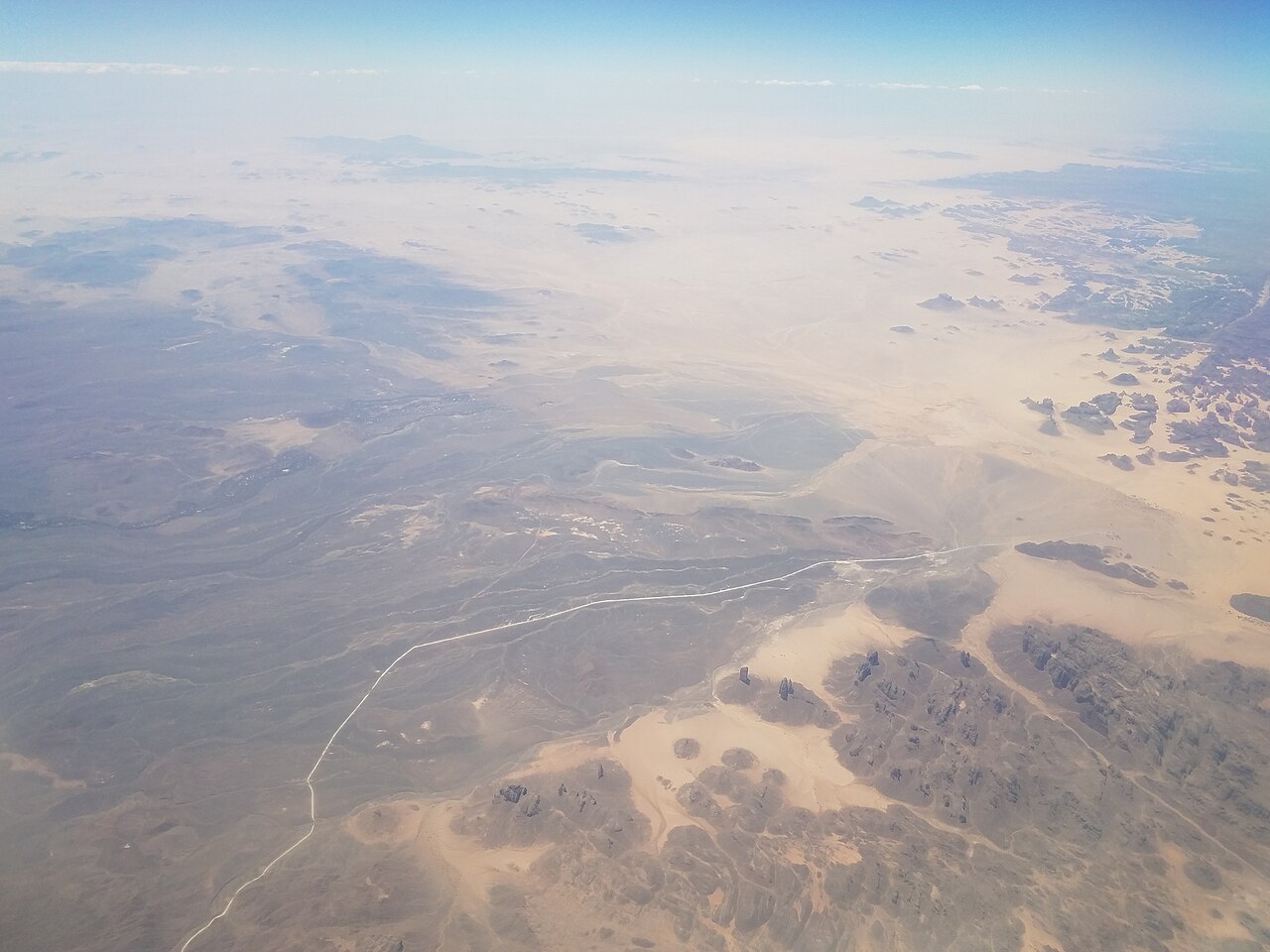
South-east of Djanet, the Tadrart is a landscape of sandstone towers, arches and canyons rising from orange sand. Areas like Tikoubaouine are known for wind-sculpted formations that look like forests turned to stone. It's also rich in rock art.
A few hours' drive from town, the orange dunes of Tin Merzouga rise between black rock towers — one of the most photographed landscapes in the Sahara. See our Tin Merzouga guide.
A sea of golden dunes north of town, ideal for a sunset walk and a first night under the stars without a long drive.
Hidden rock pools (gueltas) hold water year-round in parts of the Tassili. The plateau also shelters the Saharan cypress (tarout), an endangered tree found almost nowhere else, with individuals believed to be thousands of years old.
Each year during Ashura, Djanet's communities hold the Sebeïba — a ritual of drumming, chanting and dance between the quarters of the town, symbolising reconciliation and the renewal of social bonds. It's inscribed by UNESCO as intangible cultural heritage. The date follows the Islamic calendar, so it moves each year; if your dates align, it's unforgettable.
| Day | Plan |
|---|---|
| 1 | Arrive, guesthouse, welcome dinner |
| 2 | 4x4 to the Tadrart rock forests; first camp |
| 3 | Slow day of walking and reflection in the rocks |
| 4 | Rock art sites, including the Crying Cows |
| 5 | Tin Merzouga dunes, sunset on the crest, camp |
| 6 | Return to Djanet, market and hammam |
| 7 | Departure |
This is the structure of our Tassili Stars Retreat, with daily mindset coaching woven through. If you want to trek the high plateau, allow extra days.
Sleep under some of the darkest skies on Earth, walk through the world's largest open-air gallery of prehistoric art and reset with sunrise coaching on the dunes.
Djanet has a small number of simple hotels and traditional guesthouses with courtyards and palm gardens. Out in the desert, nights are spent in mobile camps — tents, mattresses, warm bedding and a kitchen crew — or under the stars. See what to expect on a Sahara camping night.
Expect hearty, simple food: chorba soup, couscous, grilled meat, salads, dates and endless sweet tea. In camp, look out for taguella, the Tuareg bread baked directly in the sand under hot embers. See our Algerian food guide.
Djanet is visited by organised tourist groups every season. Trips are run through licensed agencies, sometimes with official escorts. Check current government travel advice for the region and make sure your insurance covers your itinerary.
At least five days to see the Tadrart, the dunes and the rock art near town; seven to ten if you want to trek onto the high Tassili plateau.
Tourist travel in the Djanet region is organised through licensed agencies with local guides. Independent desert exploration isn't permitted.
By domestic flight to Djanet Tiska airport, around 2.5 hours.
November, February and March offer the best balance of warm days and manageable nights. December and January are beautiful but cold at night.
Its role as gateway to the Tassili n'Ajjer, its prehistoric rock art, the orange dunes of Tin Merzouga, Tuareg culture and the Sebeïba festival.
Real short videos by independent creators on YouTube and TikTok. See all 121 Algeria videos →

I founded Ziri Travels after one trip to Algeria changed everything for me. My team and I plan and run every Ziri trip, from Djanet to the Mediterranean. Read my story. Questions about this guide? Message us on WhatsApp.

The best things to do in Ghardaïa — climb the ksar to the Grand Mosque, shop the market square, visit Beni Isguen and its auction market, El Atteuf, Melika, the palm groves, carpets and more.

The best things to do in Algiers — the Casbah, Notre-Dame d'Afrique, Djamaa el Djazaïr, the Jardin d'Essai, the Bardo museum, the corniche, street food, hammams and day trips to Tipaza.

A guide to Algeria's spectacular Roman heritage — the UNESCO sites of Tipaza, Djemila and Timgad, plus Hippo Regius, Cherchell, Tiddis and Lambaesis — and how to visit them.
Pick the people, dates, places and experiences, see a price estimate as you go, and get a tailored proposal within 48 hours.