
Camping in the Sahara: What to Expect on Your First Night in the Desert
What a night in a Sahara desert camp in Algeria is really like — tents, food, toilets, temperatures, sounds, stars and how to sleep well under the open sky.
An introduction to Tuareg culture in Algeria — history, the veil, the Tamahaq language and Tifinagh script, music, silverwork, tea and how to visit respectfully.
Tall figures in indigo turbans, camel caravans crossing the dunes — the Tuareg are the image many people have of the Sahara. The reality is richer and more modern than the postcards.
The Tuareg (who call themselves Kel Tamasheq or similar names, "those who speak Tamasheq") are an Amazigh people living across the central Sahara and Sahel — in Algeria, Libya, Niger, Mali and Burkina Faso. In Algeria, the two main groups are:
For centuries the Tuareg controlled trans-Saharan caravan routes, trading salt, dates, livestock and goods between the Mediterranean and West Africa.
Few Tuareg families are fully nomadic today. Many live in towns like Tamanrasset and Djanet while keeping camels and goats, working as guides, drivers, cooks, artisans or traders. The knowledge of the desert — reading the sand, finding water, navigating by stars — is still passed down, and many of the best Sahara guides are Tuareg.
Unusually, among the Tuareg it is men who traditionally veil their faces, with a long cloth called the tagelmust (or chèche), often dyed indigo. It protects from sun and sand and carries social meaning — men may adjust it to show respect. Women typically do not veil their faces and traditionally hold a respected position in Tuareg society, with descent often traced through the mother's line.
The Tuareg language, Tamahaq/Tamasheq, is a Berber language written in Tifinagh, an ancient script with geometric letters you'll see on jewellery, rocks and signs. Ask your guide to write your name in Tifinagh — it makes a beautiful souvenir.

Volcanic peaks, Tuareg hospitality and the legendary sunrise at Assekrem, 2,700 m above the Sahara. Our deepest, most transformational retreat.
Tea is at the heart of Tuareg hospitality. Three small glasses are served, traditionally described as "bitter like life, sweet like love, gentle like death". Read our guide to the Saharan tea ceremony.
On Hoggar Silence, we spend a day with a Tuareg family friend of our guides — tea, music and stories — and our desert teams are largely Tuareg. It's one of the most moving parts of the journey.
The tagelmust protects from sun and sand and carries social and cultural meaning; it is traditionally worn by adult men.
Tamahaq/Tamasheq, a Berber language written in the Tifinagh script. Many also speak Arabic and French.
Yes, through trusted local guides, as guests rather than as a tourist attraction.
Real short videos by independent creators on YouTube and TikTok. See all 121 Algeria videos →

I founded Ziri Travels after one trip to Algeria changed everything for me. My team and I plan and run every Ziri trip, from Djanet to the Mediterranean. Read my story. Questions about this guide? Message us on WhatsApp.
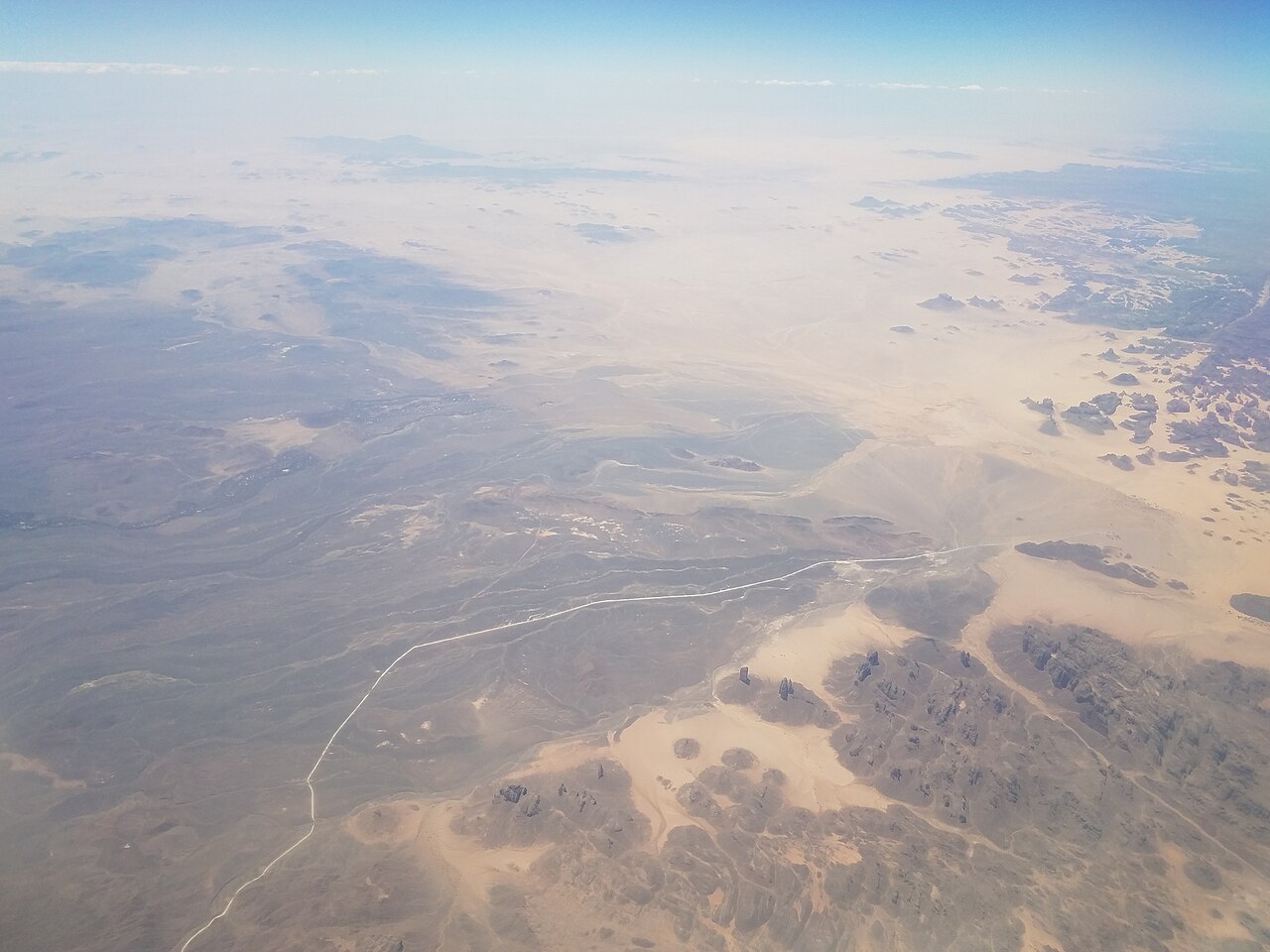
What a night in a Sahara desert camp in Algeria is really like — tents, food, toilets, temperatures, sounds, stars and how to sleep well under the open sky.

A guide to stargazing in the Algerian Sahara — why the skies are so dark, the best places and months, what you'll see and how to photograph the Milky Way.

A guide to Tin Merzouga in Algeria's Tadrart Rouge — towering orange dunes among black rock towers, how to get there, when to go and where to camp.
Pick the people, dates, places and experiences, see a price estimate as you go, and get a tailored proposal within 48 hours.