
Djanet Travel Guide: Gateway to the Tassili n'Ajjer
The complete guide to Djanet — how to get there, when to go, what to see (Tassili rock art, Tadrart, Tin Merzouga, Erg Admer), Tuareg culture, Sebeïba and how to plan your trip.
The complete guide to Tamanrasset and the Hoggar (Ahaggar) — volcanic peaks, Assekrem, Mount Tahat, Tuareg culture, gueltas, getting there, when to go and how to plan.
Few places feel as far from everyday life as the Hoggar. Basalt spires rise from a sea of rock, the light turns violet at dusk, and the silence is so complete you can hear your own heartbeat. This is the heart of the Algerian Sahara — and one of the most extraordinary mountain landscapes on Earth.
This guide covers Tamanrasset, the Hoggar massif, Assekrem, Tuareg culture, how to get there, when to go, what to pack and how to plan your days.
Tamanrasset — "Tam" to almost everyone — is the largest town in Algeria's far south, about 2,000 km from Algiers by road. It began as a Tuareg encampment, became a French military post in the early 20th century and has grown into a lively crossroads where Tuareg, Arab and sub-Saharan cultures meet. Trucks from Niger and Mali, Tuareg herders, students and traders all pass through.
At around 1,400 m above sea level, Tamanrasset has a milder climate than the low Sahara: winter days are pleasantly warm, and even summer is more bearable than in oases like Timimoun.
The Hoggar is a vast highland of ancient basement rock, overlain in its centre by volcanic formations. Its heart, the Atakor, is a jagged landscape of volcanic plugs, needles, lava flows and basalt columns — the eroded remains of ancient volcanoes. The protected Ahaggar Cultural Park covers a huge area of the region.
At around 2,900 m, Mount Tahat is the highest point in Algeria. It can be climbed by fit walkers with a guide; the views over the Atakor are breathtaking.
In the Hoggar's gorges, gueltas — natural rock pools — hold water year-round. These oases support Barbary sheep (mouflon), desert foxes, hyraxes and birds, and have sustained people and animals for millennia. Walks to gueltas such as Afilal are highlights of many trips.
Like the Tassili, the Hoggar contains prehistoric engravings and paintings, a reminder that this region was once far greener.
The highlight of any Hoggar journey is Assekrem, a plateau at about 2,700 m reached by a winding track from Tamanrasset (around 80 km, several hours by 4x4).
In 1911 Charles de Foucauld built a small stone hermitage on the summit to live in solitude near the Tuareg. He was canonised in 2022. A small community still maintains the hermitage, and a simple refuge welcomes visitors.
From the rim, you look out over a frozen storm of volcanic peaks. Watching sunset and — above all — sunrise here is, for many travellers, the single most moving moment in the Sahara. Read the full story in Assekrem: the Sahara's most famous sunrise.
The Hoggar is the homeland of the Kel Ahaggar Tuareg. Few families are fully nomadic today, but many still keep camels and goats, and the knowledge of the desert — reading tracks, finding water, navigating by stars — is passed down through generations. Many of the region's best guides and drivers are Tuareg.
Things you may experience:
Our Tuareg culture guide explains how to visit respectfully.

Volcanic peaks, Tuareg hospitality and the legendary sunrise at Assekrem, 2,700 m above the Sahara. Our deepest, most transformational retreat.
| Period | Tamanrasset days | Assekrem nights | Verdict |
|---|---|---|---|
| October – November | Warm | Cold | Excellent |
| December – February | Mild to warm | Well below freezing | Excellent with warm gear |
| March | Warm | Cold | Excellent |
| April – May | Hot | Cool | Good early, warming |
| June – September | Hot | Mild | Not recommended for the high massif |
The Hoggar demands more warm clothing than the low Sahara:
See the full Sahara packing list.
| Day | Plan |
|---|---|
| 1 | Arrive in Tamanrasset, opening circle |
| 2 | 4x4 into the Atakor, first camp beneath the peaks |
| 3 | Drive to Assekrem, sunset at the hermitage |
| 4 | Silent sunrise, rest day in the mountains |
| 5 | Day with a Tuareg family |
| 6 | Walk to a guelta, free afternoon |
| 7 | Return to Tamanrasset, market and hammam |
| 8 | Departure |
This is the structure of our Hoggar Silence retreat, with coaching woven through and an optional digital-detox ceremony on day one — see why a digital detox in the desert works.
About 2,700 m above sea level. Mount Tahat nearby, at around 2,900 m, is the highest point in Algeria.
Yes — it's the gateway to the Hoggar and Assekrem and a centre of Tuareg culture, with a milder climate than much of the Sahara.
In December and January nights can fall well below 0°C. Warm layers and sleeping bags are essential.
By 4x4 along a mountain track of around 80 km, taking several hours, followed by a short walk to the summit.
They're the same place: Ahaggar is the Tuareg name, Hoggar the Arabic/French form.
At least four or five days to reach Assekrem comfortably; a week lets you add gueltas, Tuareg visits and rest.
Real short videos by independent creators on YouTube and TikTok. See all 121 Algeria videos →

I founded Ziri Travels after one trip to Algeria changed everything for me. My team and I plan and run every Ziri trip, from Djanet to the Mediterranean. Read my story. Questions about this guide? Message us on WhatsApp.
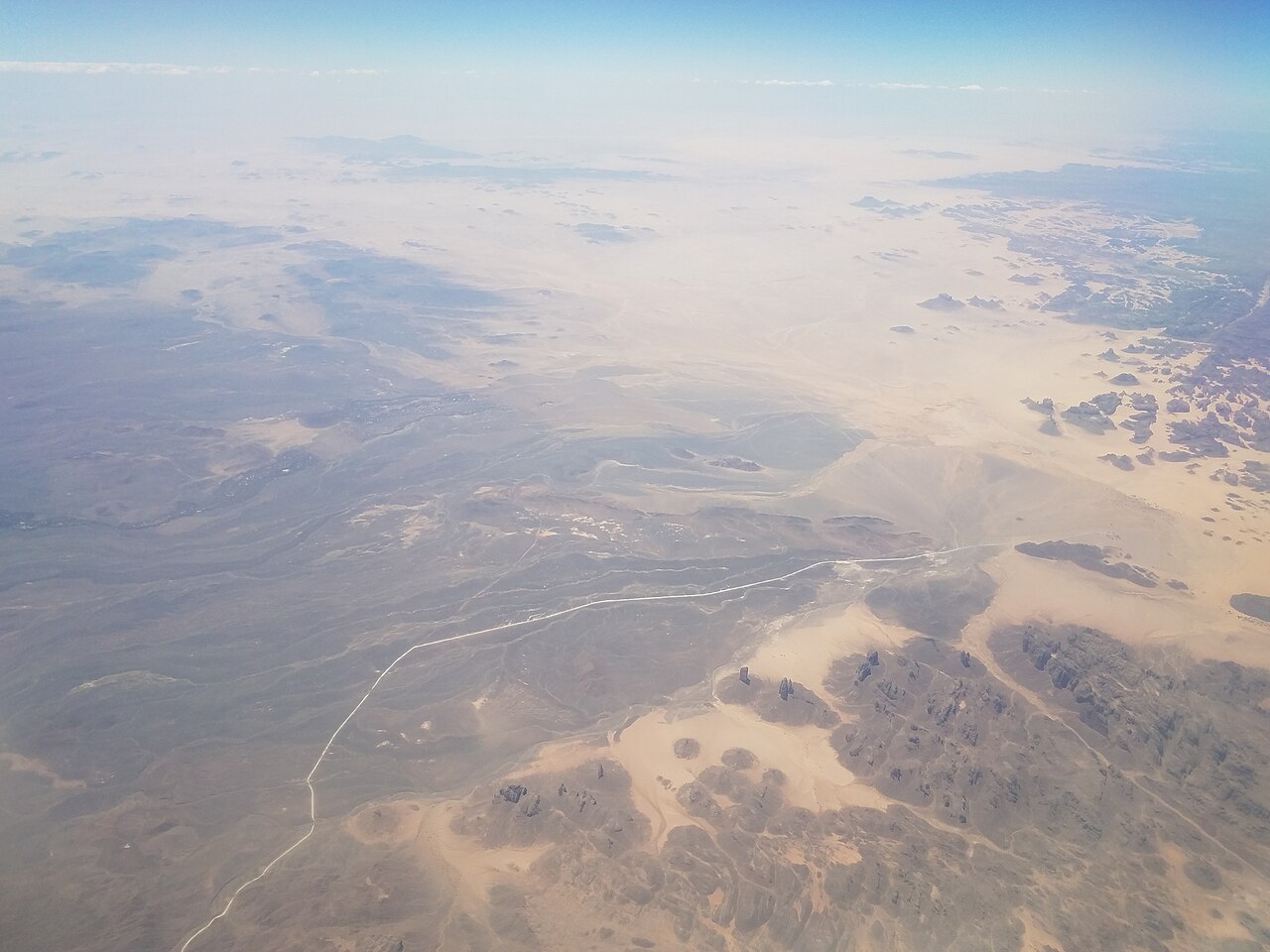
The complete guide to Djanet — how to get there, when to go, what to see (Tassili rock art, Tadrart, Tin Merzouga, Erg Admer), Tuareg culture, Sebeïba and how to plan your trip.

The best things to do in Ghardaïa — climb the ksar to the Grand Mosque, shop the market square, visit Beni Isguen and its auction market, El Atteuf, Melika, the palm groves, carpets and more.

The best things to do in Algiers — the Casbah, Notre-Dame d'Afrique, Djamaa el Djazaïr, the Jardin d'Essai, the Bardo museum, the corniche, street food, hammams and day trips to Tipaza.
Pick the people, dates, places and experiences, see a price estimate as you go, and get a tailored proposal within 48 hours.