
Djanet Travel Guide: Gateway to the Tassili n'Ajjer
The complete guide to Djanet — how to get there, when to go, what to see (Tassili rock art, Tadrart, Tin Merzouga, Erg Admer), Tuareg culture, Sebeïba and how to plan your trip.
The complete Algiers travel guide — the UNESCO-listed Casbah, Notre-Dame d'Afrique, the Great Mosque, Jardin d'Essai, museums, food, neighbourhoods and a 2–3 day itinerary.
Arriving by sea or air, Algiers takes your breath away: a white city tumbling down green hills to a wide blue bay. It's the capital, the gateway and — for many of our guests — the first big surprise of the trip.
This guide covers the Casbah, the city's must-see sights, neighbourhoods, food, practical tips and a two- to three-day itinerary.
The site has been settled for more than two thousand years: Phoenicians and Romans (as Icosium) came first, then the city was refounded in the 10th century by the Zirid dynasty. In the 16th century it became the capital of an Ottoman regency and a major Mediterranean power. French colonisation began in 1830 and lasted until independence in 1962. Each era left its mark — which is why Algiers mixes Ottoman palaces, French boulevards and bold modern Algerian architecture.
The Casbah of Algiers is the historic old city: a steep labyrinth of lanes, stairways, palaces, mosques, hammams and houses built around courtyards, climbing from the sea to the citadel. It was inscribed as a UNESCO World Heritage Site in 1992 as an outstanding example of a traditional Islamic city.
Parts are fragile and under restoration, but the Casbah is very much alive: children playing football in tiny squares, cats on doorsteps, the smell of bread and coffee, music drifting from windows. It's also central to Algeria's modern history, notably during the war of independence.
Tip: visit with a local guide. They'll unlock stories (and doors) you'd never find alone, and help you navigate the maze.
A 19th-century basilica perched on a clifftop on the west of the city, with an inscription asking the Virgin to pray "for us and for the Muslims". The panoramic view over the bay at sunset is one of the best in the Mediterranean.
Inaugurated in 2024, it's one of the largest mosques in the world, and its minaret — at around 265 m — is the tallest on Earth. The complex includes gardens, a library and a museum.
Three giant concrete palm leaves rising above the city, built in 1982 to honour those who died in the war of independence. Below it, the Museum of the Army and a craft market.
A vast botanical garden founded in 1832, with avenues of giant ficus, palms, dragon trees and bamboo. Perfect for a slow morning walk — and one of the best places in the city for a quiet moment.
Stroll the arcaded boulevards around Rue Didouche Mourad, admire the neo-Moorish Grande Poste, and sit in a café on Place Emir Abdelkader.
Algiers is a great food city. Look out for:
See our Algerian food guide.

Roman ruins on the water's edge, turquoise coves and the UNESCO-listed Casbah of Algiers — a gentle, sun-soaked retreat to slow down.
Day 1 — the old city. Morning in the Casbah with a guide, Ketchaoua Mosque and Dar Mustapha Pacha. Lunch in the lower town. Afternoon at the Bardo Museum. Sunset at Notre-Dame d'Afrique.
Day 2 — gardens and landmarks. Jardin d'Essai in the morning, then the Fine Arts Museum. Afternoon at Maqam Echahid and the Great Mosque. Seafood dinner by the port.
Day 3 — Tipaza day trip. Drive about an hour west to Tipaza for Roman ruins by the sea and the Royal Mausoleum of Mauretania.
Yes, especially with a local guide. Like any old quarter, it's best explored during the day.
Two days covers the main sights; three lets you add Tipaza at a relaxed pace.
Its UNESCO-listed Casbah, its white buildings above the bay, and a mix of Ottoman, French and modern Algerian architecture.
Because of its whitewashed buildings, which shine when seen from the sea.
Yes, there are beaches along the coast east and west of the city, best from June to September.
Increasingly among young people, but French and Arabic are more widely used. Our guides speak English.
Real short videos by independent creators on YouTube and TikTok. See all 121 Algeria videos →

I founded Ziri Travels after one trip to Algeria changed everything for me. My team and I plan and run every Ziri trip, from Djanet to the Mediterranean. Read my story. Questions about this guide? Message us on WhatsApp.
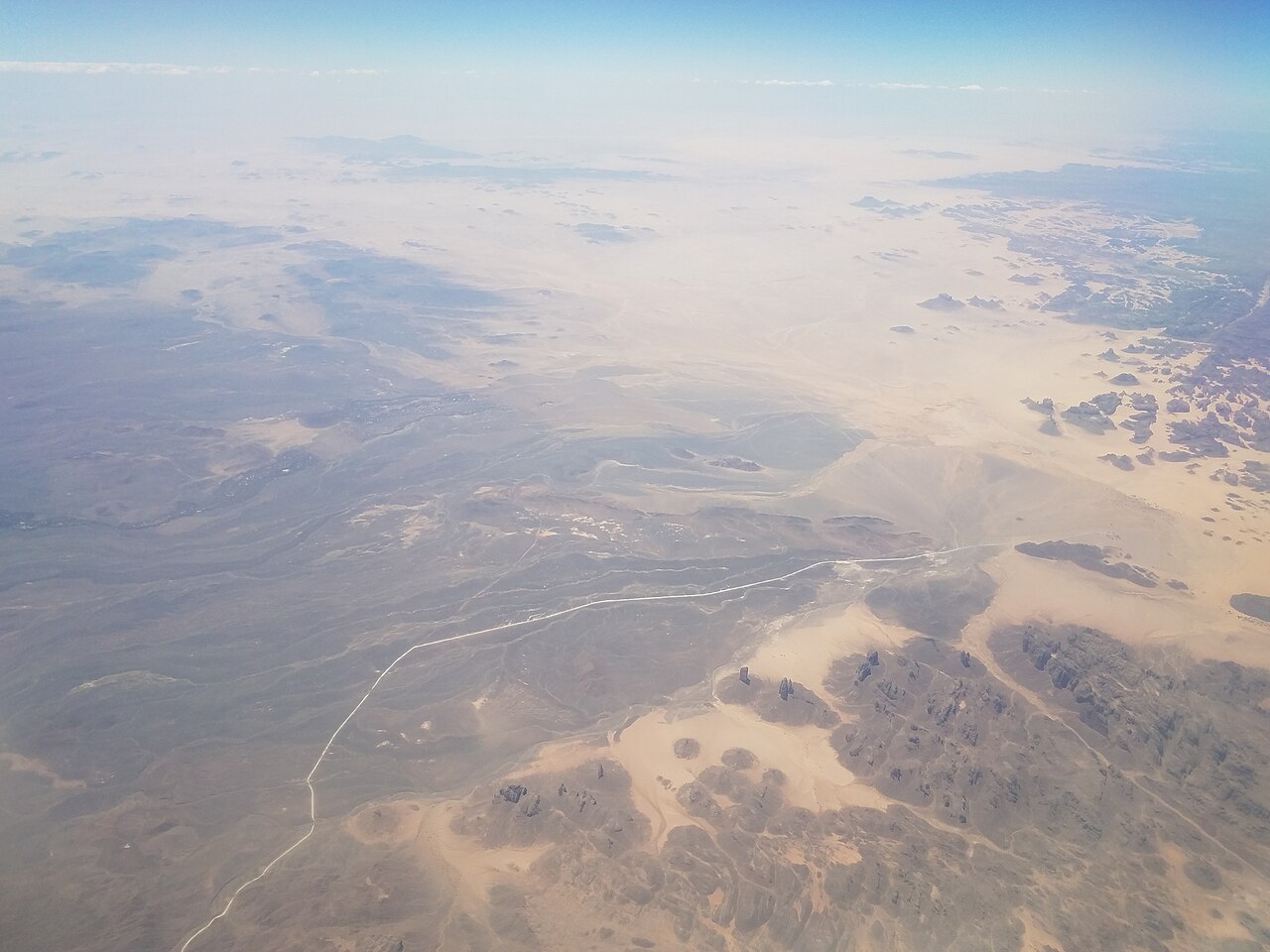
The complete guide to Djanet — how to get there, when to go, what to see (Tassili rock art, Tadrart, Tin Merzouga, Erg Admer), Tuareg culture, Sebeïba and how to plan your trip.

The best things to do in Ghardaïa — climb the ksar to the Grand Mosque, shop the market square, visit Beni Isguen and its auction market, El Atteuf, Melika, the palm groves, carpets and more.

The best things to do in Algiers — the Casbah, Notre-Dame d'Afrique, Djamaa el Djazaïr, the Jardin d'Essai, the Bardo museum, the corniche, street food, hammams and day trips to Tipaza.
Pick the people, dates, places and experiences, see a price estimate as you go, and get a tailored proposal within 48 hours.